Place it now.First acceptance wins.
An order that has to leave today does not wait for a phone chain. The request reaches every matching partner at once, and whoever accepts first drives.
Short notice today means: phoning.
A shipment has to go out, and dispatch starts working down a list: call, wait, next. Whoever says yes takes the details by dictation, and whether vehicle and qualification really match becomes clear en route. After the third call, the hour the shipment actually had is gone.
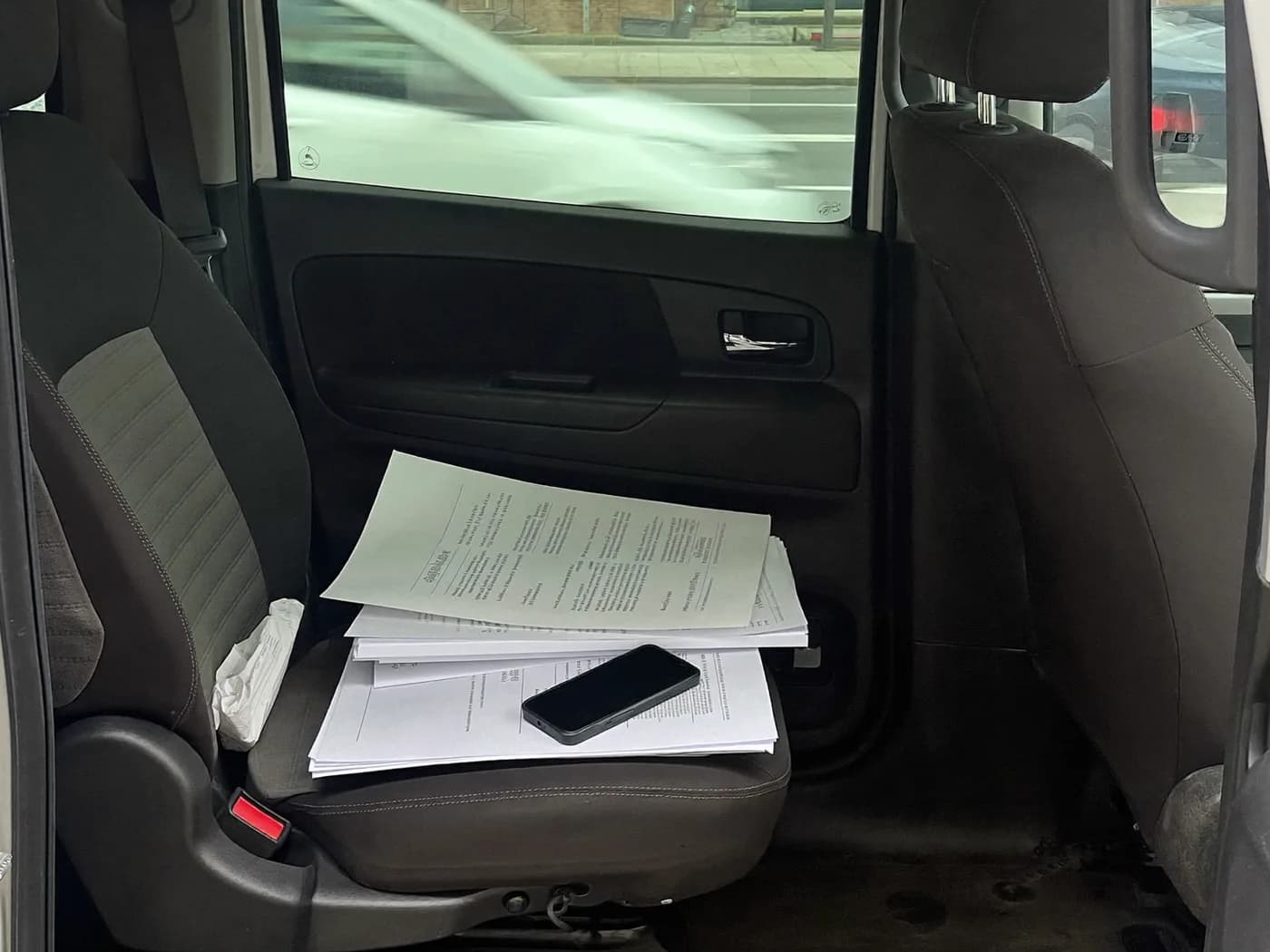
One request. Everyone at once.
The order is created once, with the freight check running alongside. Then the request goes to every partner allowed to drive it: simultaneously, not one after another.
Every one of these paths has the priority switch: it moves the order up in dispatch and enters the price as a factor. A service level, not a separate order type.
What this service is not.
Ad hoc does not mean unchecked. The short-notice order runs through the full freight check too, and a partner without the required credentials never even sees the request. Dispatch gets faster, not the diligence.
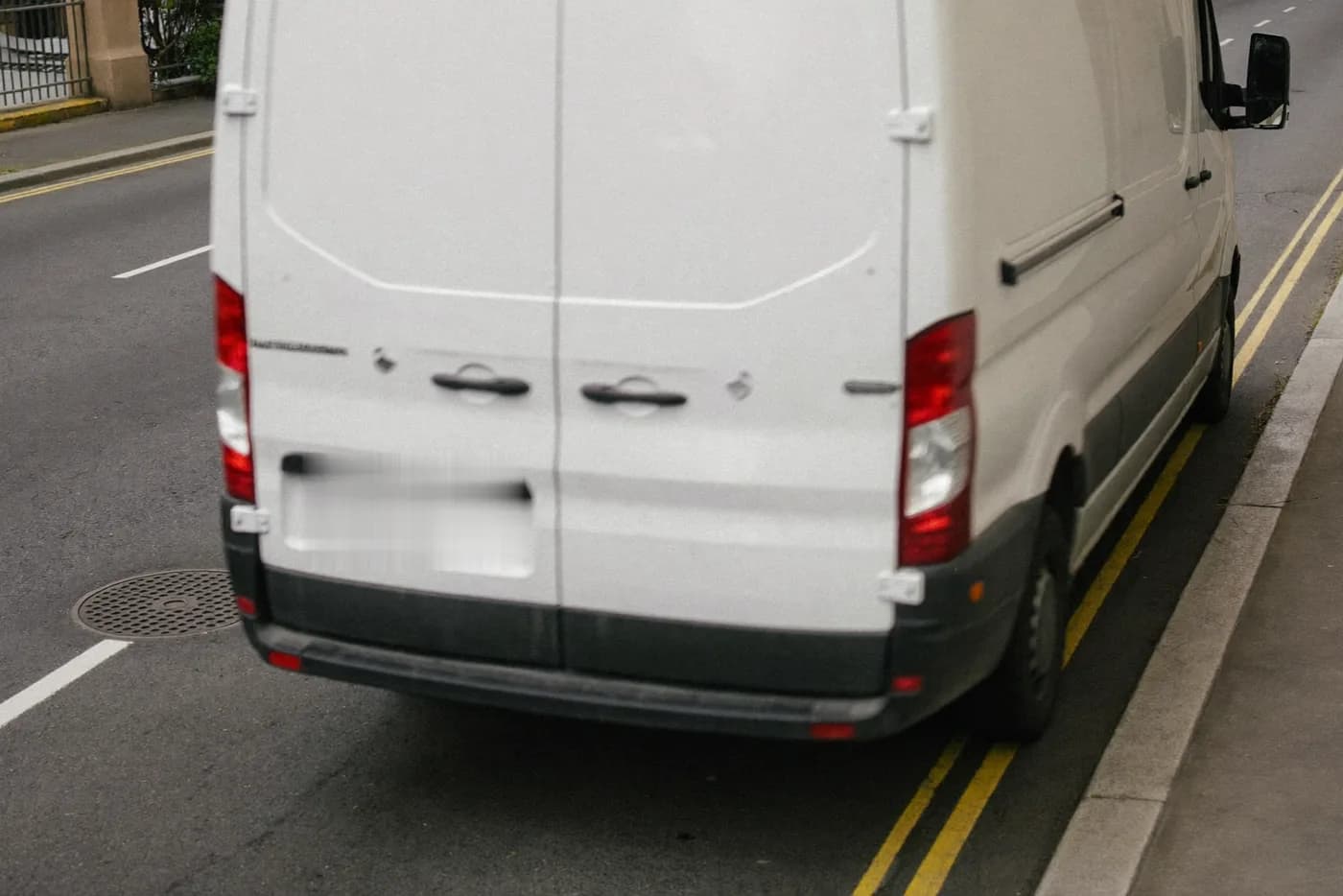
Questions about ad‑hoc orders
How fast is an order assigned?
As fast as the first matching partner accepts. The request goes out without detours the moment the order is created and checked; there are no collection rounds and no queue.
What happens if nobody accepts?
The order stays visible in dispatch and keeps seeking. You can see at any time that no award has come in yet, and set the priority switch or adjust the terms instead of finding out by phone.
Does ad hoc cost more than planned?
The price follows the same factors as any order: vehicle, time, freight, priority. Short notice enters through the time window and the priority switch, not through a separate tariff.